Foundational Principles in Designing an High-Performance Business Sound Management Infrastructure
Wiki Article
Creating an impactful professional audio broadcast system is vital for any company that depends on sound to elevate the consumer experience. This system empowers organizations to deliver music, announcements, and other audio content to multiple areas within a location. Fundamental factors in designing a successful audio distribution system include an awareness of sound quality, optimal equipment selection, well-planned layout planning, and ongoing maintenance practices. These elements work together to maintain that the audio system fulfills the specific needs of the space and the audience.
Sound quality is one of the most important components of an audio transmission system. Professional-grade sound optimizes the listening experience for customers and can create a welcoming atmosphere. Considerations such as audio drivers, audio boosters, and room resonance all impact in attaining rich and natural sound. Facilities should consider investing in professional-grade speakers that are suitable for their environment. For example, landscaped areas might utilize rugged speakers, while hallways may gain from stereo arrays. Guaranteeing that all units are properly aligned and efficiently configured is vital for maximum performance.
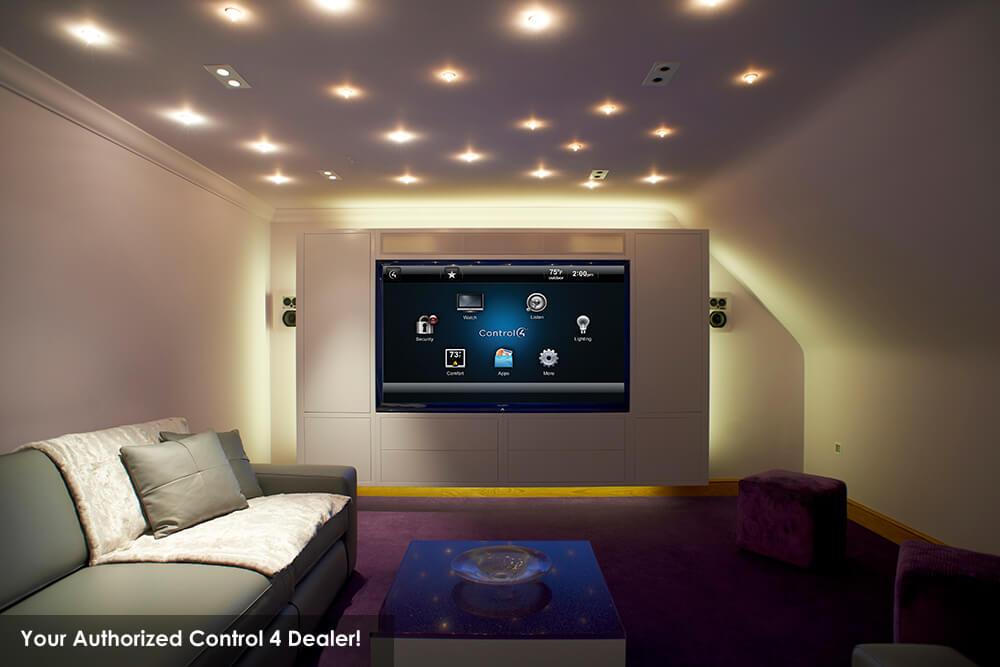
The picking of audio equipment has a major impact in the efficiency of the distribution. This entails identifying the right mixers, amplifiers, and audio players. Businesses should review their particular audio goals before finalizing acquisitions. For instance, a commercial space might demand different tools than a dining venue or banquet facility. Additionally, adopting digital technology can elevate functionality. Sound networks that allow wireless access or integration with tablets can allow versatility in coordinating audio media and output levels throughout different sections.
Organizing the configuration of the audio sound system is another essential factor. A intentionally developed layout maintains that sound is evenly spread across all sections without any dead spots or echo in certain areas. This involves precise alignment of speakers and consideration of how sound flows in each setting. Factors such as dimensions, form, and materials can influence audio clarity. Completing an acoustic analysis can assist pinpoint the most effective positions for speakers to attain optimal sound projection throughout the premises.
Lastly, routine servicing is important to maintain an audio communication system running reliably. Ongoing care covers routine checks on devices operation, repairing any malfunctions quickly, and upgrading digital controls when appropriate. Guiding operators on how to operate the system properly can also avoid user mistakes and prolong the longevity of the devices. By focusing on system checks, facilities can deliver superior audio clarity and this link prevent downtime that could affect the audience perception.
Overall, building an high-quality corporate audio sound system entails meticulous analysis of sound performance, system setup, installation strategy, and preventive care. When these aspects are managed professionally, businesses can enrich their premises with professional-grade audio solutions for their audience. Implementing a carefully built audio system not resource only strengthens sound management but also contributes to a positive experience that can improve audience retention.